

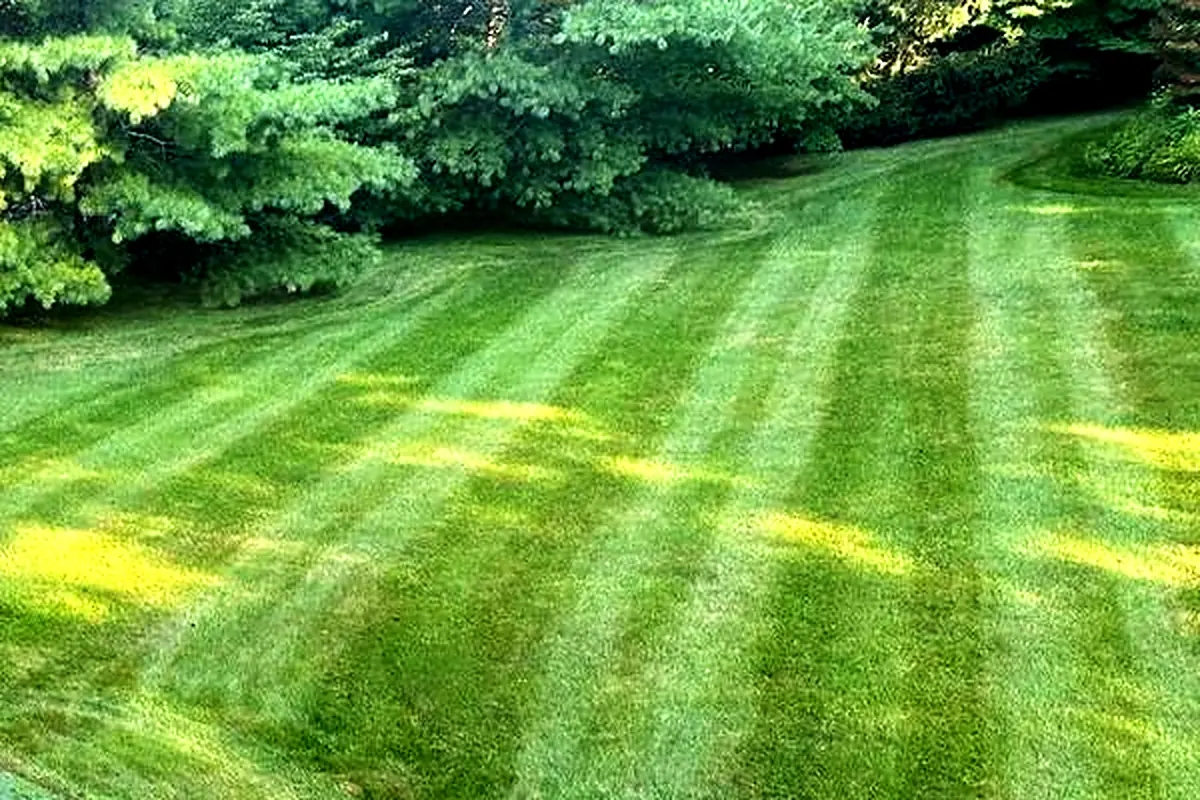
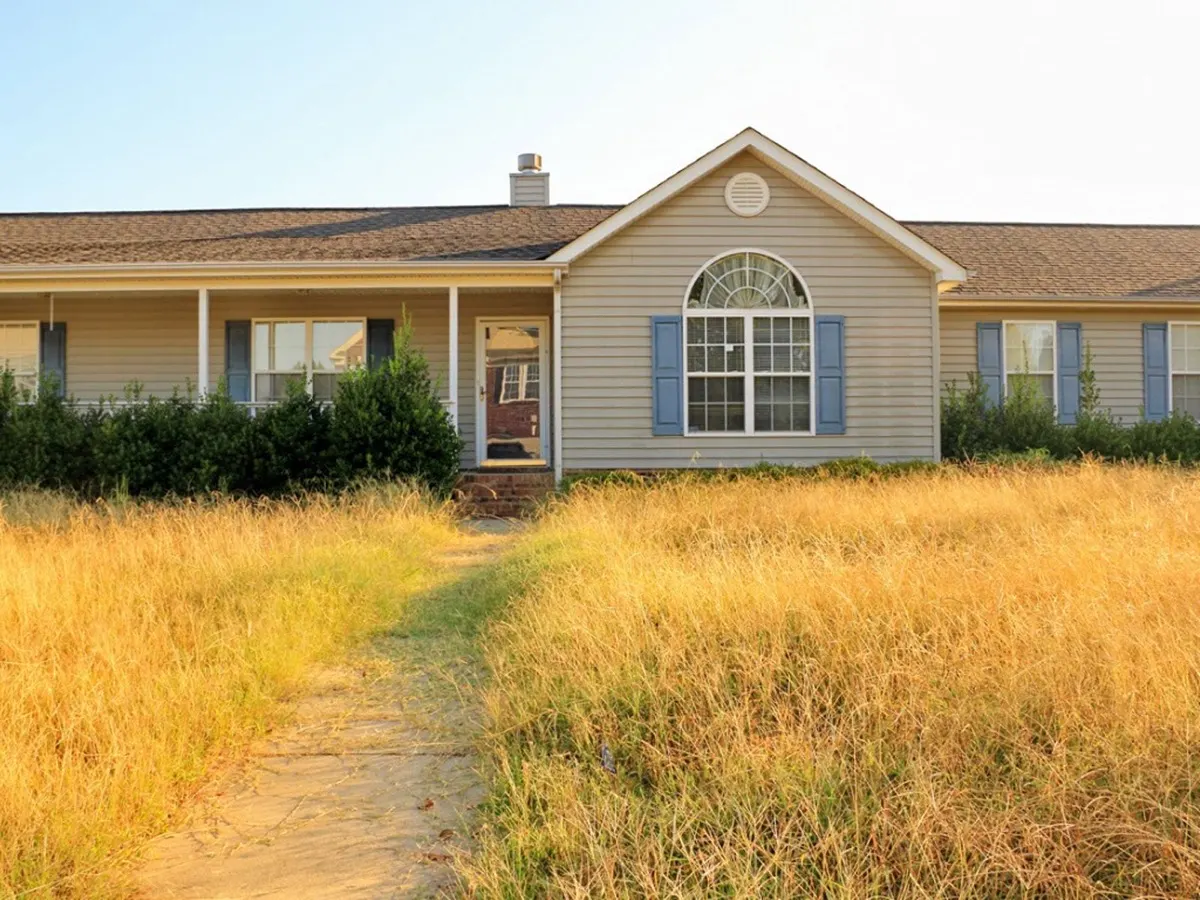
Rebuilding a Westchester lawn: the season starts now, not in spring
Every August we walk lawns that summer has beaten flat and hear the same plan: deal with it in spring. Spring is the wrong season for this work, and the right one is about six weeks long.
By Nelson Bautista, Baudi Landscaping · Updated
At a glance
- Cool-season grass rebuilds in fall. Soil is warm, nights are cool, and crabgrass is done for the year.
- The seeding window in this county runs roughly Labor Day to early October. After that, germination gambles on the weather.
- Core aeration and overseeding handle a thin lawn. A lawn that is mostly weeds needs a real renovation.
- New seed needs two to three weeks of steady moisture. If nobody can water, the work is wasted.
- Standing water and moss are drainage problems. Seed will not fix a grading issue.
Why fall, when the lawn looks worst in August
Almost every lawn in Westchester is cool-season grass: fescues, ryegrass, bluegrass. Those species do their real growing in the shoulder seasons, and by late August a summer of heat, drought stress and grubs has usually left them thin, patchy or partly surrendered to crabgrass.
That timing is exactly why the repair season starts now. In early fall the soil is still warm enough for fast germination, the air has cooled enough that new seedlings are not fighting for their lives, and the annual weeds that swallow a spring seeding have quit for the year. Seed put down in mid September grows in almost clean conditions. The same seed in April fights crabgrass from the day it sprouts.
We covered the spring side of this argument in our spring guide: small repairs in April, big rebuilds in fall. This is the fall half of that promise.
Overseeding or renovation: an honest line between them
Aeration with overseeding is the standard prescription for a lawn that is thin but still mostly grass. The machine pulls thousands of soil cores, which relieves the compaction a summer of mowing and foot traffic builds, and the seed that follows lands in open holes with real soil contact instead of sitting on thatch. On our weekly lawn care routes this pairing runs through September for exactly that reason.
A renovation is a bigger decision, and the honest threshold is simple: when more than about half of what is growing is weeds or dead thatch, overseeding into it just decorates a failing lawn. A renovation kills off or strips what is there, corrects the soil underneath, regrades where water has been sitting, and starts again from seed or sod.
Which side of the line a lawn falls on is a walkthrough question, not a phone question. Nelson looks at what is actually growing, what the soil is doing underneath it, and where the water goes, then puts the answer in writing.
Every job here starts the same way: a twenty-minute walkthrough and a written price.
The calendar, specifically
Late August is preparation: the walkthrough, the honest overseed-or-renovate call, soil work, and killing off what a renovation will replace. Labor Day to roughly the first week of October is the seeding window itself, and earlier inside that window is better, because seed down by mid September gets six or more growing weeks before the first hard frosts in the northern towns.
October seeding still works in a warm year, especially in the milder Sound Shore towns, but it is a gamble that shortens every week it slips. By November the honest answer is to wait, plan the work properly, and book the window early next fall rather than feeding seed to the coming winter.
How the six weeks are spent:
- Late August: walkthrough, soil assessment, and the overseed-or-renovate decision.
- Around Labor Day: aeration, seed selection matched to sun and shade, starter feeding.
- September: seed down, watered steadily, first gentle mow at about three inches.
- Early October: last realistic seeding; after this, sod or next fall.
- Late October: the new lawn hands off to fall cleanup, with leaves kept off young grass.
The part that fails: the first three weeks
When a fall seeding fails in this county it almost never fails at germination. It fails in the watering, the leaves, or the mowing that follow. New seed needs the top inch of soil kept steadily moist for two to three weeks, which usually means brief watering once or twice a day rather than a long soak twice a week. A bed of seedlings that dries out for two hot afternoons quietly loses the season.
Leaf drop is the other quiet killer, and it is why renovation season and cleanup season have to talk to each other. A mat of wet October leaves left a week on three-week-old grass smothers it. Whoever rebuilds the lawn should be the same crew keeping the leaves off it while it establishes, which is how we schedule it.
Standing water is a different problem
Some lawns fail every year in the same spots no matter what seed goes down: the low corner that stays soft into June, the strip along the driveway where moss beats grass, the run below a downspout. Those are grading and drainage problems wearing a lawn costume, and reseeding them every fall is a subscription to failure.
Fall renovation is the natural moment to fix them, because the ground is already open. Regrading a low spot or running a drain line before the seed goes down costs one disruption instead of two. The fixes live on our drainage page; the diagnosis is part of the same walkthrough.
What the window buys
Common questions
Not here? Call (914) 486-3682. Someone answers seven days a week.
Labor Day through the end of September is the reliable window. Soil is warm, nights are cool, and annual weeds are done. Early October can still work in a warm year, but every week later is a bigger gamble.
Through September, no. Into October it depends on the year and the property, and past mid October the honest answer is usually to plan the renovation now and seed at the front of next fall's window, or use sod, which is not tied to the seeding calendar.
Most lawns here benefit from it every year or two. Compacted clay soils, heavy shade and heavy foot traffic push it toward annual. A dense lawn on good soil can often skip a year without showing it.
Seed germinates in one to three weeks and looks like a lawn inside six, but the turf matures through the following spring. A September renovation looks respectable by Halloween and finished by May.
Seed scattered on compacted soil and thatch mostly feeds the birds. Contact with open soil is what makes overseeding work, and the aerator is the cheapest way to create it across a whole lawn.
The services behind this guide
One crew for the lawn through the whole sequence: renovation, weekly care, and the cleanup that protects it.
Free on-site estimate
Twenty minutes on site, a written price.
Send a few details and we will come out, measure, and leave you with a written price. No fee, no sales visit, no pressure to sign anything that day.
Prefer to talk? Call (914) 486-3682 or text a photo of the area. Open seven days, 7 AM to 7 PM.
- Phone
- (914) 486-3682
- Hours
- Monday to Sunday, 7 AM to 7 PM
Request received.
Nelson or someone on the crew will call you within 24 hours to set up the walkthrough. If it is urgent, call (914) 486-3682 and you will get a person.